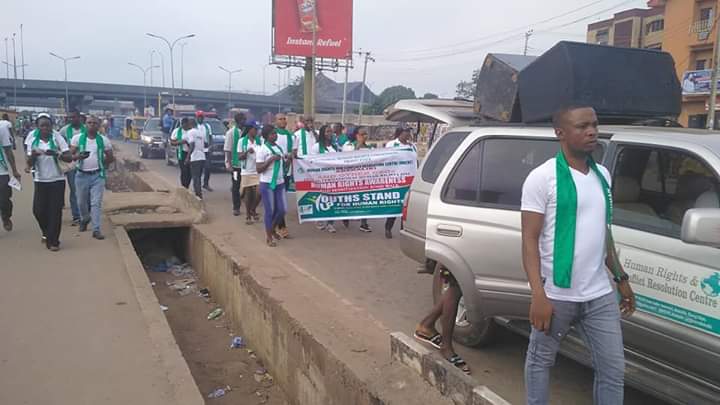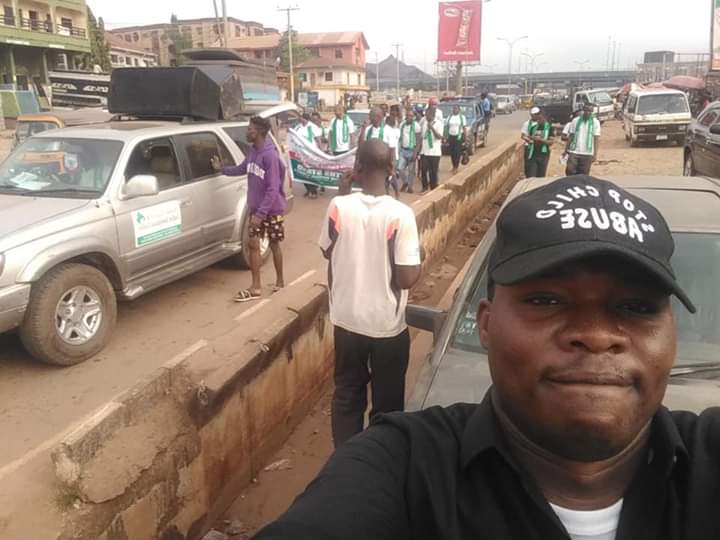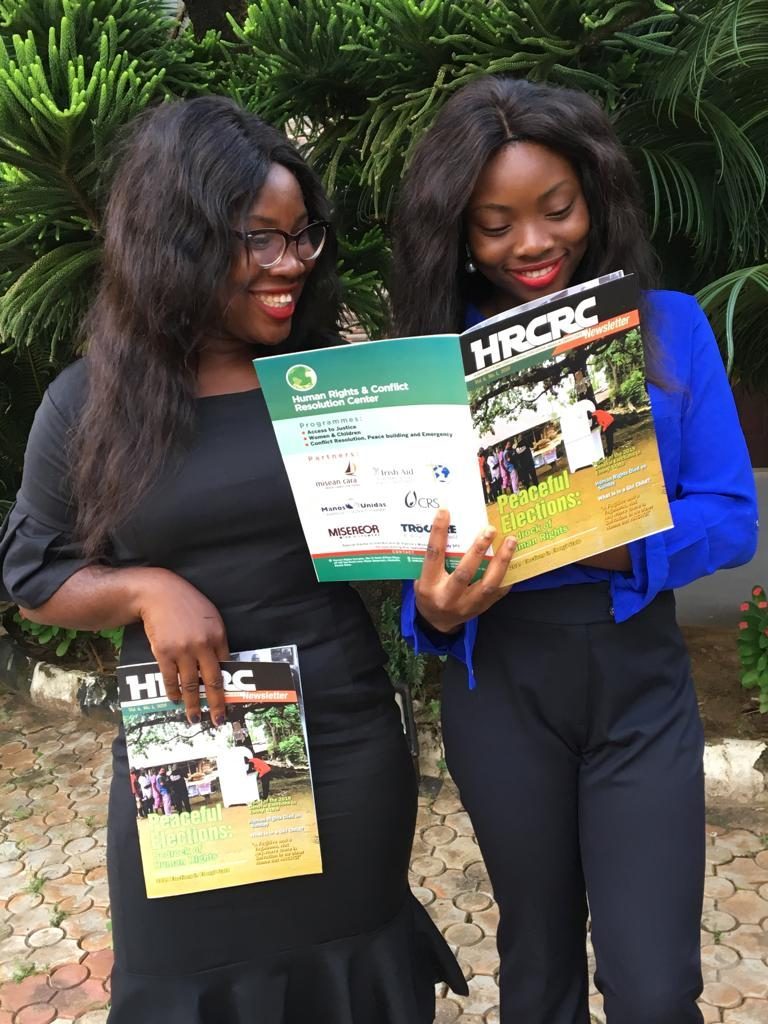

Years ago, people came together and agreed on the essentials of a civilized nation and what it would take for us not to constantly descend to barbarism. The United Nations Declaration on Human Rights 1948, the African (Banjul) Charter on Human and Peoples Right 1981, which has been ratified by member states and codified in chapter IV of the 1999 constitution of Nigeria are products of our brave attempts not to become barbaric. These rights act as that shield which protects us simply because we are humans and alive, not because we are inherently good people, rich, law abiding tax payers, male or female. Some of these rights include: the right to life, the right to dignity of human person, the right to personal liberty, the right to fair hearing etc.
Human rights are moral principles or norms that describe certain standards of human behaviour and are regularly protected as natural and legal rights in municipal and international law. They are commonly understood as inalienable, fundamental rights “to which a person is inherently entitled simply because she or he is a human being regardless of their nation, location, language, religion, ethnic origin or any other status. They are applicable everywhere and at every time in the sense of being universal, and they are egalitarian in the sense of being the same for everyone. They are regarded as requiring empathy and the rule of law and imposing an obligation on persons to respect the human rights of others.
These rights are therefore very sacrosanct. However, we have not actually lived in the reality of these rights. In some parts of the world they are yet to be realized, and in other parts of the world like Nigeria and other developing nations, these rights are currently under attack. Recently, the Governor of a South-eastern state, in a closed door meeting with Human Rights agencies and other stake holders said that there was nothing like human rights. Even if there was, we are not ready for it as a nation.
News of security operatives and law enforcement agencies who bully citizens and capitalize on their ignorance to extort from them is not a rarity anymore. Arresting a person for being in possession of a laptop without the receipt and charging him for armed robbery; arraigning an accused person before a court that obviously lacks jurisdiction, leading to his further remand in prison until his case is filed at the appropriate court; rounding up any young person found within a 200 meter radius of a crime scene and charging them for the offence of cultism – a non-bailable offence in Ebonyi state – which implies that they are remanded and forgotten to rot in prison as awaiting trial inmates; are almost conventional in the Nigerian society today.
The deplorably slow pace of our justice system has become a clog in the wheel of justice. This has made many assume that these rights are merely privileges, the respect and adherence of which we cannot assert. This should not be the case. Sometimes when we talk about rights, it feels as though we subconsciously exclude children. The abuse and neglect of children is an awkward discussion to have. It raises emotions in us and it raises questions about who we are as a people and how we relate to one another. There is a better way to protect and nurture our children, because it takes a community to raise a child. But this also means that it takes a community to protect the rights of a child. These children also share with us the same inalienable rights as humans.
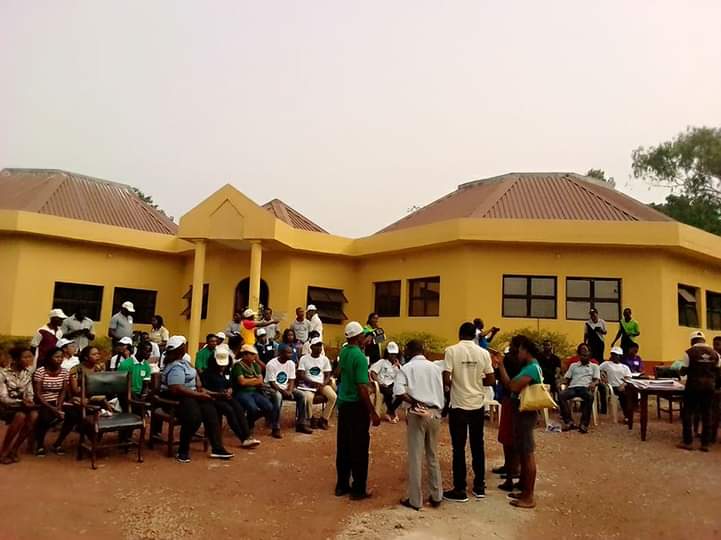
“We haven’t reached the level where we should expose these children to their rights. It will make them too assertive.” This was commented by a principal of a secondary school in Abakaliki during our establishment of the Child Right Club in secondary schools across Ebonyi state. Sadly, the view of this principal is no different from the views of many in Nigeria. Consequently, children grow up seeing their rights as mere privileges. However, we believe there is a need to sensitize both students and their teachers on the rights of the child. Protecting children should be everyone’s business.
Based on these prevalent situations, is it safe to aver that we are not ready for Human Rights? We all have and love human rights; our own and those of our family and loved ones. Unfortunately, it is the right of others that is a bit of a problem, probably because the acknowledgement of the rights of an individual connotes a duty on all others to respect that right. Sadly, we cannot approbate and reprobate at the same time. So, to fight for the rights of people (especially those handicapped by ignorance and other circumstances) is what we must do. It is what makes us human. It is what will guarantee the survival of our specie. This is the primary vision for the establishment of our organization. So the question of being ready for human rights is inconsequential until we answer this: can we survive without human rights?