Hello!
It is KNOW YOUR RIGHTS project. From HRCRC, Abakaliki, we are glad to share this maiden edition with you. Our task today is simple: we want to introduce you to the project.
Think of this story. Ajole is a princess, a daughter of a late wealthy king. Ajole however, did not know who she really was as she was raised by a distant relative. The relative kept the truth about her status from her because she feared she might lose her grip on Ajole as she had overtime, grew to become very close to Ajole. Under this circumstance, Ajole lived in the land like a common folk. Because she did not know who she was, she could not demand to enjoy the privileges that were her due as a princess of the land.
Many people living in our communities today are like Ajole. They have little clue about the weight their status as a citizen of the Federal Republic of Nigeria carries. They equally know less about what forms their rights as humans, beings endowed with certain privileges (rights) which should not be denied. These privileges are not theirs because they are in Nigeria, but specifically because they are human beings. This is why article 1 of the UN Universal Declaration of Human Rights says: “All human beings are born free and equal in dignity and rights”; and with this understanding, article 2 adds that enjoying HRs is not based on distinction of any kind (race, colour, sex, language, religion, ideology, nationality, origin, soical status, etc.).
Another dimension to ignorance about rights concerns grievance mechanisms (ways individuals can seek redress for violated rights). What can one do if one’s rights is violated? Who can offer help to victims of rights violations? And what instruments of laws guarantees the protection of rights?
KNOW YOUR RIGHTS is specifically designed to address these concerns. We want to expose viewers to basic knowledge on human rights. Because of the limitation of this forum (the need to keep post simple and short), our aim is rather minimal: to stimulate in our readers, enough curiosity to enable them seek knowledge about HRs and through this means, become empowered to promote and defend human rights as it concerns them and others.
To start with, we will introduce today, the concept of human rights (HRs). Obviously, it concerns the human person, not just one individual, but human beings of all ages, cultures, states, races, ethnic backgrounds, regions, creeds, places and other categories that may be existing. HR principle says, this being called the human, possesses dignity and value (you can call it, God-given) which calls for respect. Systems, institutions, cultures, persons and anything else created by humans owe the being this obligation of respect. Thus, we might say, HRs are privileges that any human being qua (as) human being is meant to enjoy. To deny the human person this respect is to violate the person’s dignity and value.
You can also think of HRs as fundamental requisites needed for each human being to lead a minimally good life. HRs include rights to life, liberty, education, fair hearing, etc (we shall explore these and others in subsequent posts). For instance, you will agree with us that when people’s need for security is met, they can have the opportunity to live and pursue self-developing goals. However, like Ajole’s relative, institutions have not helped to educate many people about these rights. Like her, they tend to consider it not necessary, perhaps, because acquiring such knowledge would shake status quos which benefit them.
Thus, we consider it necessary to push back the knowledge gap and contribute to growing your awareness of rights issues and how to address them. We shall look at what constitutes human rights, what their attributes are, instruments that guarantee their protection, and mechanisms to address their violations.
We are going to leave it at this junction (and please, do stay tuned for the upcoming post by next Wednesday). For today, what you can take home is this: If you don’t know what your rights are, you can’t know if they are being respected, protected and made real. Under same guise, you will not be able to ascertain the limits to which you must respect the rights of others. Meanwhile, to spice things up, why not drop in your contributions and questions pertaining to this post in the comment section. We will engage you and also follow them up in our subsequent post. And please, don’t forget to share/like our page/posts.
Many thanks!
Contributors: C. O. Ikegbunam Esq.
C. A. Nwankwo Esq.
D. A. Okoliko
Disclaimer:
This is a free educational material and not a source of legal advice. If you need any, please consult your lawyer.
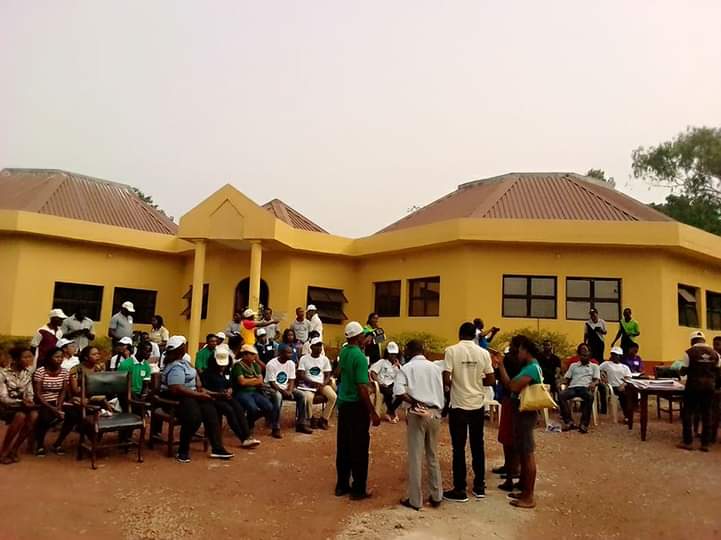


 HRCRC kicked off with a visit to Presco Secondary School, Abakaliki.


