In Nigeria,
wrongful convictions often pass through our judicial system undetected for some
time, and at an alarming rate that the walls of our prisons are beyond what
will be considered as overcrowded. Why this doesn’t plague the minds of
individuals within the system is a mystery almost at par with the trinity. Remarkably, society is seemingly comfortable
with the erroneous truth that everyone within the walls of the prison deserve
to be there Are there obstacles at all within the system itself that
contributes to these problems? Is the culture of keeping suspects on awaiting
trial the standard of practice? Are they actually rooted in a skewed
interpretation of the law, or the law works more on paper? Does the system
really give succor to indignant suspects? And if it does, how do victims seek
relief in a judicial system that moves on a slow pace? Is there a political
will to do justice? Certainly we cannot overlook these questions and neither
can we be silent to the fact that with each passing day, the Nigerian system
seems to work opposite to what our laws clearly provide.
At the policing
level, which is the first active limb of the criminal justice system, there is
overwhelming evidence showing that the police in carrying their basic duties
compromise and practice far below global best practices. It is a common police
procedure and in fact the standard for people to be randomly arrested and
accused of grievous crimes as serious as murder, in the expectation that a case
will be built around such arrest that is – working towards the answer – rather
than via any scientific approach towards investigation of crime and regard to
the rights of the accused person. This process is accompanied at most times
with intimidation and show of force by police officers; it is in fact a norm
that suspects are brutalized from the point of arrest and even in police
custody.
A male inmate who had been tortured in police
custody said, “The police used rubber to tie my hands and arms. They said
I had committed robbery.” His palms were blistered and peeling and his
arms were crisscrossed with dark lines as a result of the wounds. His left hand
hung limp. He was not treated for his injuries. Many inmates who have been in
police custody get to court with injuries and wounds they got from arrest.
The ultimate
goal of this practice is to extract confessions of guilt from suspects by any
means including the severest forms of torture as well as inhumane and degrading
treatment. It is common practice for the police to hold accused persons under
the nebulous principle called a “Holden charge,” with a view towards
circumventing the person’s constitutional right not to be held for an
unreasonable length of time, or be charged within a reasonable time as
stipulated by the constitution. It is common place for accused persons to be
kept in police detention well beyond the statutory 24 hour maximum within which
they should be informed of the facts and grounds for their arrest, and indeed
charged to court within 48 hours of arrest as guaranteed by Section 35(3) of
the 1999 constitution.
Although bail is
considered to be the right of an accused person, and as such advertised as
free, police bail for the simplest of crimes carry with it a token of
appreciation for a job well done, and even at that, it is normal practice to deny bail even for
petty crimes. This practice is commonly referred to as “police bail.” This
happens most a times without services of a lawyer at this preliminary stage of
the process when they require legal advise the most, as suspects are been
forced to sign confessional statements or even tricked into admitting to commit
a crime they know nothing about.
At this stage
where a criminal matter is at its preliminary stages, a strong foundation of
human rights abuses is prevalent. It is in fact where the suspects begin to
contemplate the possibility that he actually committed the said offence.
Next is the arraignment, where a police
officer charge the already defeated suspect to a magistrate court who in most
cases lack jurisdiction to entertain the matter so, the suspect is remanded in
prison custody pending the advice of Director of Public Prosecution (DPP);
another process which expends time, or even culminate in charging the suspect
for a higher offence than the one committed. An inmate in Abakaliki prison
during an interview with HRCRC said, “Me and my cousin [sic] stole a
motorcycle to sell and pay SARS operatives who arrested my brother but we were
caught before we sold the motorcycle. The owner said he does not want the case
to go far but the police insisted we both pay twenty thousand naira for our
bail or they forward the matter. My cousin was able to raise the money but I
could not. On our first day in court, the magistrate granted him bail which he
perfected and I was remanded in prison and this is two years since I last had
my case in court”. After further investigation, HRCRC discovered that the said
cousin who happens to be a co-accused was actually charged before the
magistrate for stealing which is bailable while the other was charged for armed
robbery on which the magistrate lacks jurisdiction hence his long stay – awaiting
advice from DPP.
From the moment the suspect enters the walls
of the prisons; his case is a forgotten issue, a term the criminal justice
system termed as “Holden charge,” and which our courts described as alien to
our laws but still a norm utterly practiced. Statistics obtained from the two
Federal Prisons in Ebonyi State suggest that awaiting trial inmates held under
this nebulous practice of Holden charge constitute a large number on the list.
Such is the case of Chukwudi mentioned above. He lamented that all he wanted
was just his day in court. – “I just
want to go to court let those who accuse me come forward and prove their
allegations.” Chukwudi had been on Holden charge for over four years until
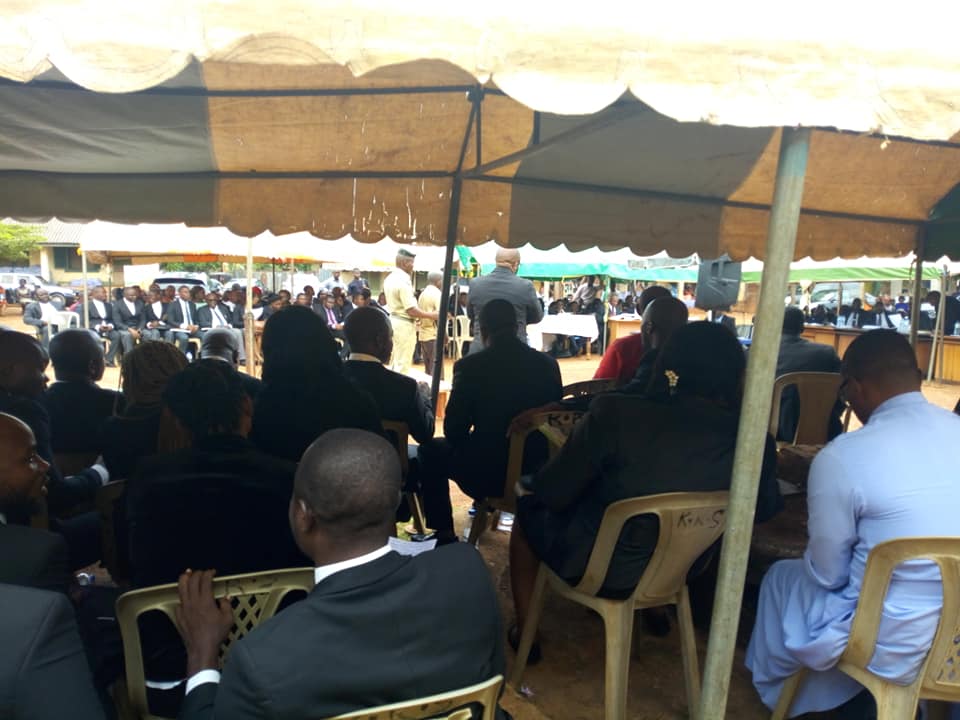
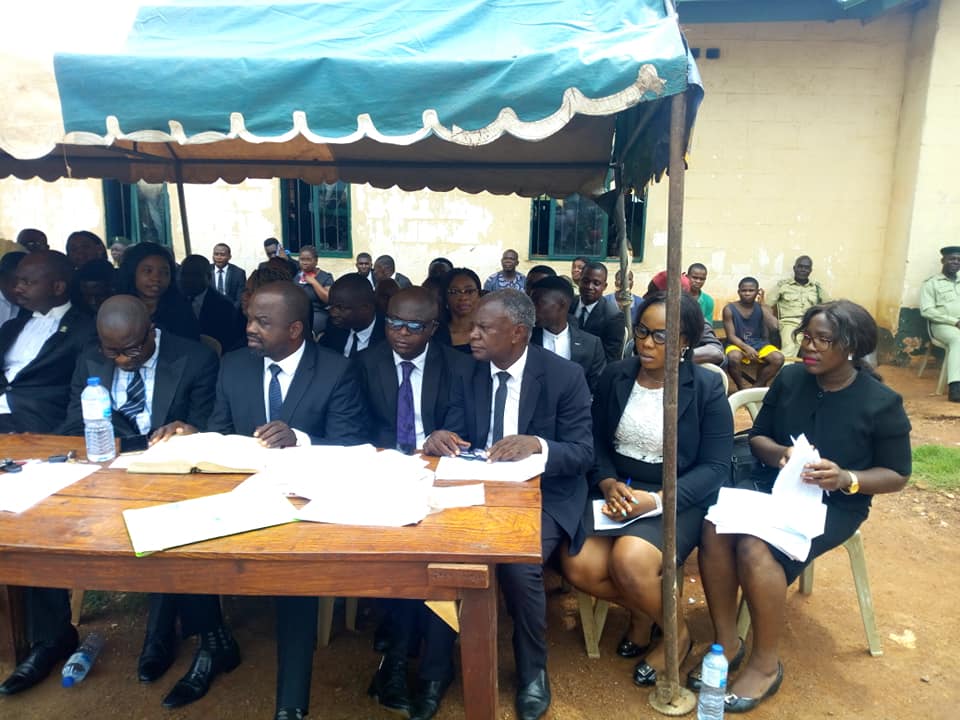
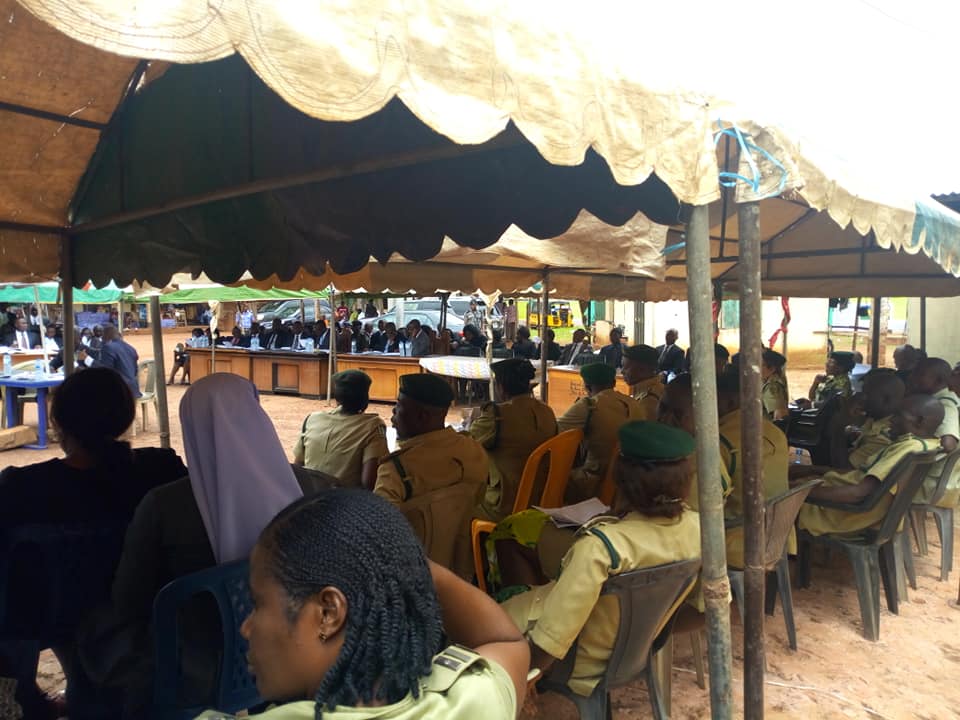
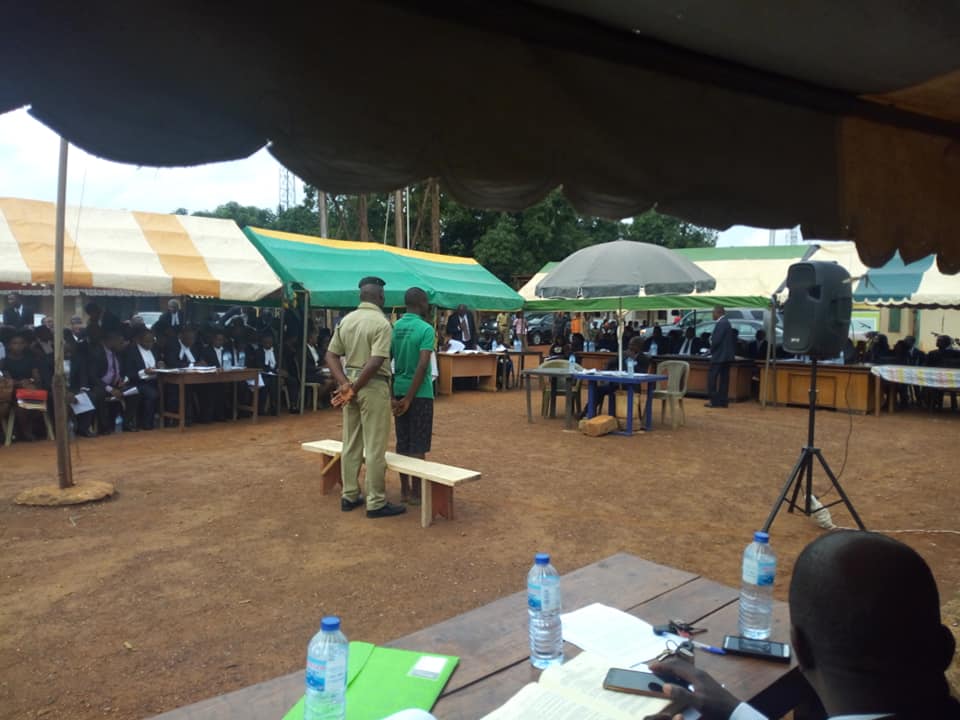
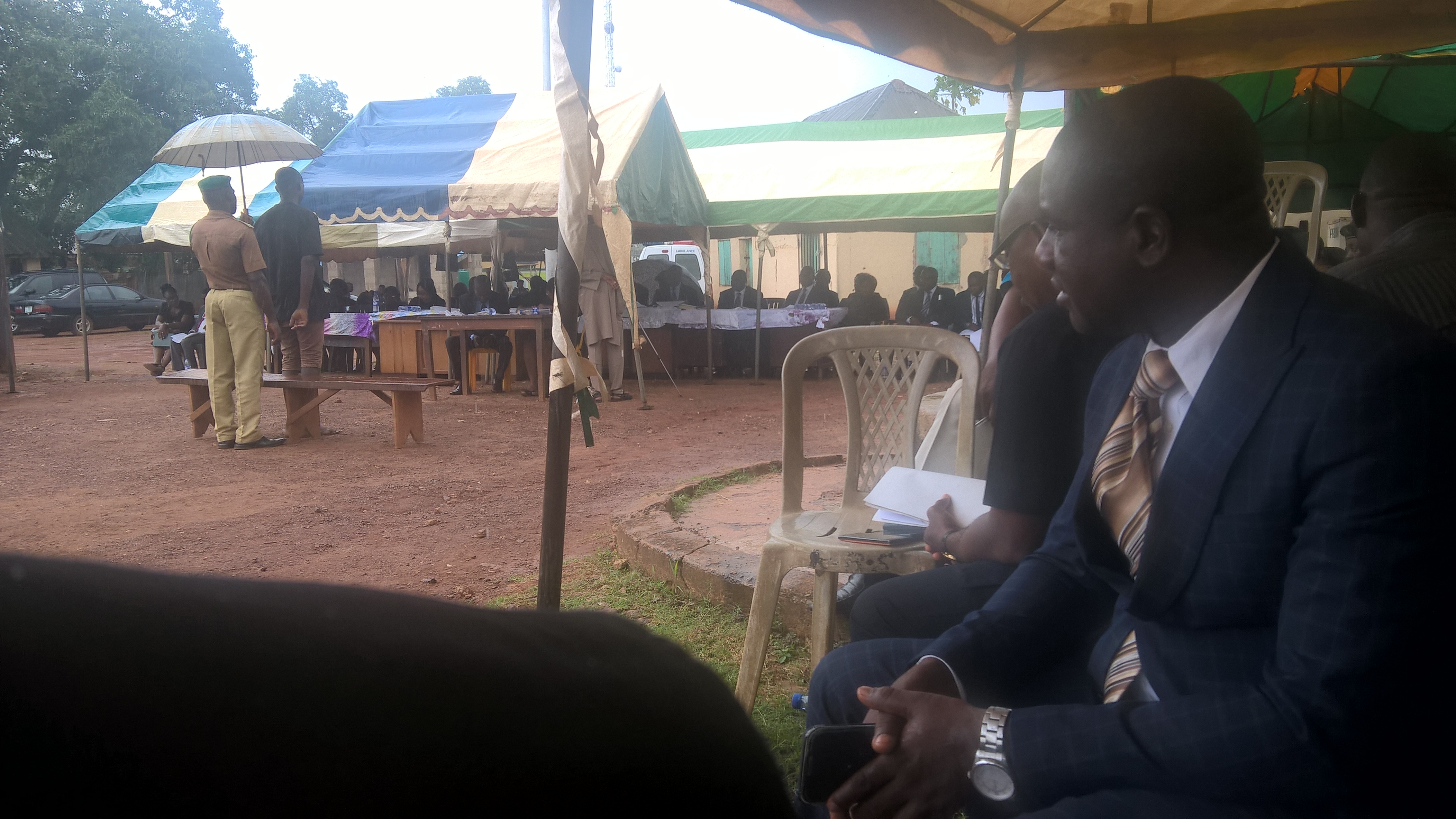
HRCRC facilitated his release through Gaol Delivery in June of 2019.
Cases like these
tainted with different types of Human Rights abuses get to courts from the
police, only to meet a judicial system which in all fairness contributes amply to
these abuses. Judicial officers write in long hand. Sometime they don’t sit on
time or at all may be as a result of personal exigencies. The prosecution of
criminal cases in the Magistrate Courts is done mostly by police officers. Most
of the time, they don‘t have their witnesses in court and as such will ask for
adjournment. In such cases they need advice from the Director of Public
Prosecution, it may take months or even years to obtain because of the
bureaucratic bottleneck in the administration of justice and general
administration in Nigeria.
The case of
Sunday (23), an inmate illustrates the situation of many awaiting trials: He
was first brought before a magistrate on 6 December 2010. He was at that time
fourteen years old, a minor, and arrested on suspicion of armed robbery. The
magistrate did not have the jurisdiction to handle his case and remanded him in
prison, pending the police investigation. When his case was transferred to the
High Court, he had two different judges assigned to his case an on each
occasion, both started de novo – from the beginning. At the time of HRCRC visit, eight years and
two months had passed and he is on still awaiting trial. Sunday, who is now 23
said; “I have no lawyer and none was offered me either.” He denies
that he had anything to do with the murder case. According to him, “There
was a fight in my village between two gangs and one gang member was killed. Two
days later, the police came and arrested me and eleven other persons.”
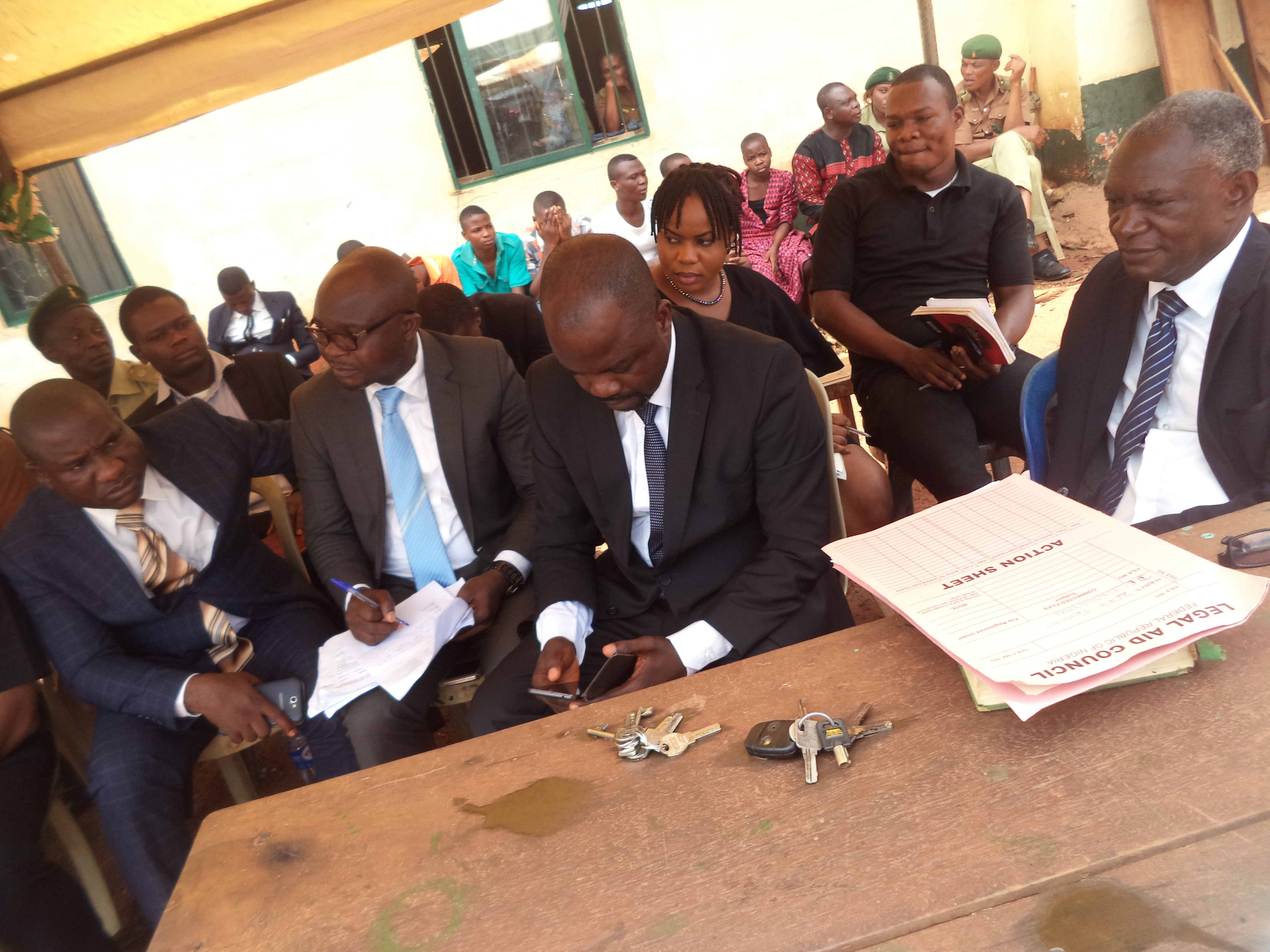
The Paucity of
Legal Representation and the near absence of Pro-Bono Services have further worsened
these abuses. In Nigeria, over 70 percent of accused persons are indigent and
therefore unable to secure legal representation. To combat this problem, the
government established Legal Aid Council, but the program is financially
handicapped. In most cases, the accused person’s first real contact with a
lawyer comes when they are charged before a magistrate after being remanded
into custody, which is euphemistically referred to as an “overnight case.” This
is clearly at variance with the requirements of the Nigerian constitution.
Suspects in
Nigeria are systematically denied a range of human rights. Stakeholders
throughout the Nigerian criminal justice system are culpable for maintaining
this situation. This anchored around the inefficient machinery of the
administration of justice, and hinges largely on how the police go about their
duties usually in violation of the laws they are meant to protect. The
judiciary in turn fails to ensure that all inmates are tried within reasonable
time and then the prisons cannot ensure that facilities are adequate for the
health and well-being of the prisoners. Severe overcrowding and lack of funds
have created a deplorable situation in Nigeria’s prisons
Because the majority
of wrongfully convicted persons or persons who suffer human rights abuses are
indignant people, and huge legal fees and barrister’s fee note to contend with,
it falls on the NGOs to take on the task. With funding as a major constraint,
HRCRC did the little it could, with regular visits to police stations, prisons
and the remand home, to review cases of indignant people facing human right
abuses by authorities meant to uphold these rights. This resulted in the
release of over 30 inmates on Holden charge, free legal representation for
indignant victims of Human Rights abuses, and reintegration for the released
inmates.
Much needs to be
done. There are a lot of things we cannot undo, but to allow the innocent and
indignant suffer Human Rights abuses is one thing that can be undone and HRCRC
is taking the charge.